
BPC-157
Incl. VAT, plus shipping
- For research use only
- Lyophilised powder
- Sealed glass vial
- Ships from the EU · 1 to 3 working days
- COA on request for documented batches
- Intended use
- Laboratory research only. Not for human or veterinary use.
- Not a
- Medicine, supplement, food or cosmetic
- Advice
- No dosing or medical advice is provided
- Sealed vial
- -20 °C for long-term storage, 2 to 8 °C for a few weeks, dry and dark
- Reconstituted
- Keep at 2 to 8 °C and use within a short period
- Solvent
- Bacteriostatic water, added slowly along the glass, never shaken
- Documented batches
- Products marked "COA on file" carry a certificate of analysis
- Tests
- Identity and purity per batch
- Request
- Send us the lot number on your vial and we send the report
- 3 or more vials
- 5 % off every vial
- 5 or more vials
- 10 % off every vial
- 10 or more vials
- 15 % off every vial
- Mixed orders
- Different compounds count together, applied at checkout
- Europe
- 1 to 3 working days, tracked
- Dispatch
- Same or next working day from our EU warehouse
- Packaging
- Dry lyophilised powder, plain packaging
- Rates
- Shown at checkout for your country
- Unopened vials
- Statutory return period, seal intact
- Opened or reconstituted
- Cannot be returned for safety reasons
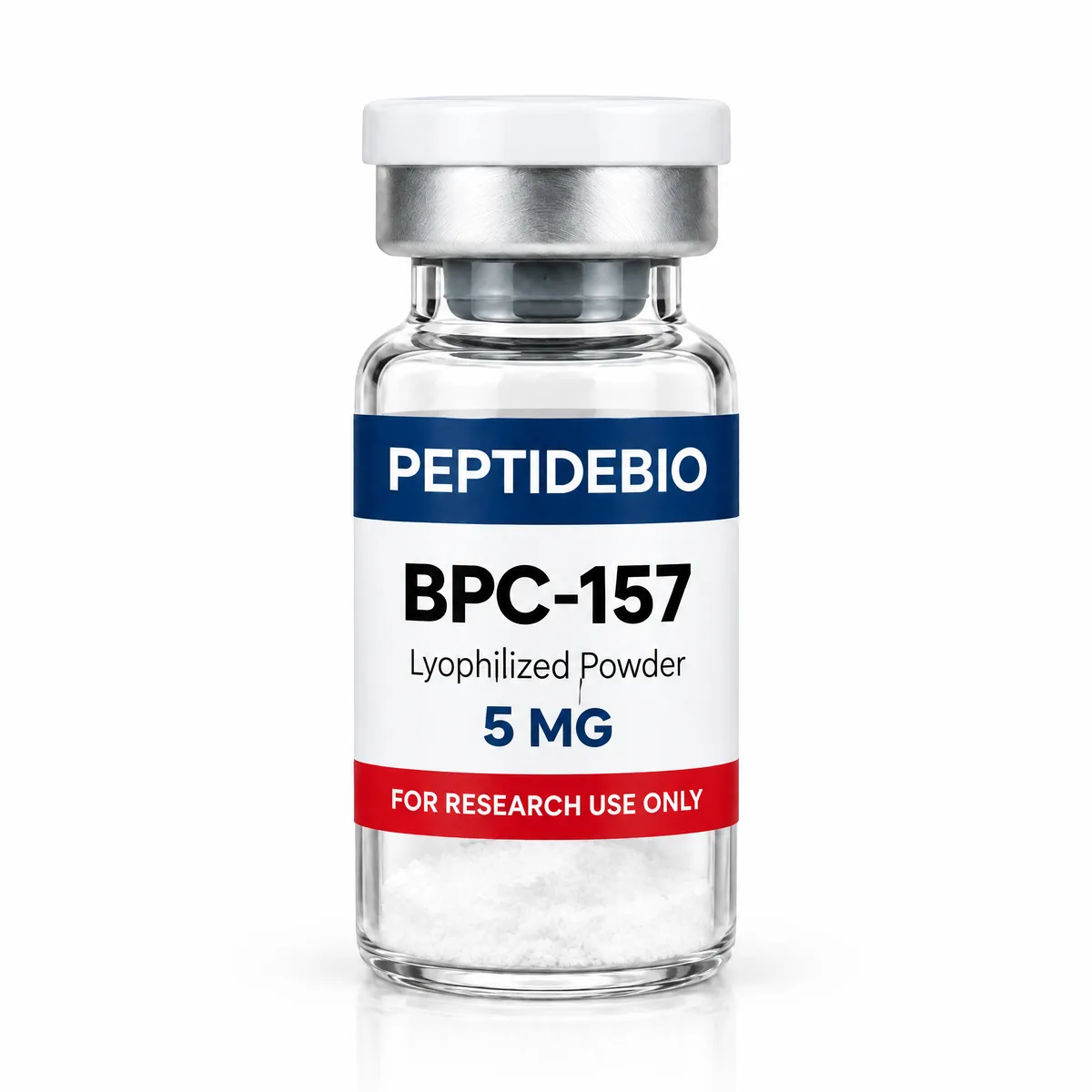
Buy BPC-157 peptide as lyophilised powder in sealed glass vials of 5 mg or 10 mg. BPC-157 (Body Protection Compound 157) is a synthetic pentadecapeptide, a chain of 15 amino acids whose sequence occurs in a protein of human gastric juice. In preclinical work it is a frequently used model peptide for tendon, ligament and gut tissue models.
Buy BPC-157: vial sizes and form
BPC-157 is supplied in two vial sizes. The 5 mg vial suits single experiments, the 10 mg vial is intended for series with several samples. Both contain lyophilised powder under a sealed cap, with the amount and the lot number printed on the label. For research designs that combine BPC-157 with TB-500, the BPC-157 and TB-500 blend contains 10 mg of each compound in one vial. Single vials and the blend side by side are listed under BPC-157 peptides. The powder is stored sealed at -20 °C and reconstituted with bacteriostatic water only when the experiment starts; how much solvent a vial takes is explained in our guide bacteriostatic water per vial.
BPC-157 specifications
| Compound | BPC-157, pentadecapeptide |
|---|---|
| CAS number | 137525-51-0 |
| Molecular formula | C62H98N16O22 |
| Sequence | Gly-Glu-Pro-Pro-Pro-Gly-Lys-Pro-Ala-Asp-Asp-Ala-Gly-Leu-Val |
| Molecular weight | approx. 1,419 Da |
| Amount | 5 mg or 10 mg per vial |
| Form | Lyophilised powder, sealed vial |
| Solvent | Bacteriostatic water |
Research areas for BPC-157
BPC-157 goes back to the pharmacology group of the University of Zagreb, which first described the peptide in the early 1990s. Since then it has been studied mainly in animal and cell models. Typical fields are:
- Tendon, ligament and gut tissue models
- Angiogenesis and nitric oxide pathway research
- Peptide stability and analytics (HPLC, mass spectrometry)
These are research fields, not statements about effects in humans. Our guide BPC-157: structure, research and status summarises the published studies, the open questions and the regulatory status.
BPC-157 research status: preclinical, not approved
Almost everything published on BPC-157 comes from cell cultures and animal models, mostly rats. Controlled clinical trials with published results do not exist, and no authority has approved the peptide as a medicine: not the EMA, not the FDA, which in 2023 placed it in its category of bulk substances with safety concerns for compounding. BPC-157 is therefore a compound for preclinical research.
Limits of the BPC-157 data
The research base is narrower than the number of papers suggests. A large share of the studies comes from one working group in Zagreb, independent replication is limited, and animal findings cannot be transferred to humans. Study designs, models and endpoints vary widely, which makes results hard to compare. Anyone planning experiments should read the primary literature with these limits in mind.
BPC-157 and WADA: prohibited under S0
Since 2022 the World Anti-Doping Agency names BPC-157 explicitly in class S0 (non-approved substances) of its Prohibited List. It is banned in and out of competition for every athlete subject to the World Anti-Doping Code.
Legal classification of BPC-157 in the EU
BPC-157 is not a controlled narcotic at EU level, but it has no marketing authorisation either. Whether a product counts as a medicinal product is decided by the national medicines authorities, coordinated by the European Medicines Agency (EMA). We sell BPC-157 as a research chemical for laboratory use only. Check the rules in the country where your laboratory is based before you order.
Questions about BPC-157
Is BPC-157 legal to buy for research in Germany?
As of October 2026, BPC-157 is not listed in the German Narcotics Act (BtMG, annexes I to III) or in the New Psychoactive Substances Act (NpSG), and it has no marketing authorisation as a medicine in the EU. It is sold as a research chemical for laboratory use. If the competent authority classifies a parcel as a medicine, the import ban of section 73(1) of the German Medicines Act applies. The regulatory status is summarised in our guide BPC-157: structure, research and status, linked above.
What is the difference between BPC-157 and the BPC-157 and TB-500 blend?
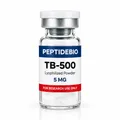
The single vial contains only BPC-157. The blend contains 10 mg BPC-157 and 10 mg TB-500 in one vial and is intended for research designs that work with both peptides.
Which vial size should a laboratory choose?
Choose the amount you will use within a short period after reconstitution. Several small vials keep more of the compound as stable powder than one large vial that is opened early.
Can I order BPC-157 to any EU country?
Yes. We ship BPC-157 for laboratory research from our warehouse in the Netherlands to all EU member states, usually within 1 to 3 working days, tracked and in neutral packaging. Payment is by bank transfer; the checkout shows the methods currently available. Import rules are national, so check yours first.
Read more about BPC-157
How BPC-157 compares with TB-500 is explained in BPC-157 vs TB-500. To work out concentrations after reconstitution, use the peptide calculator. Single vials and blends are listed under BPC-157 peptides.
For laboratory research use only. Not for human or veterinary use, not a medicine, not a food or cosmetic.
Every vial, documented.
How the compounds are tested, how to get the report, and how to handle the vial.
- Identity
- Mass spectrometry
- Purity
- HPLC
- Appearance
- White lyophilised powder
- Report
- On request, by lot number
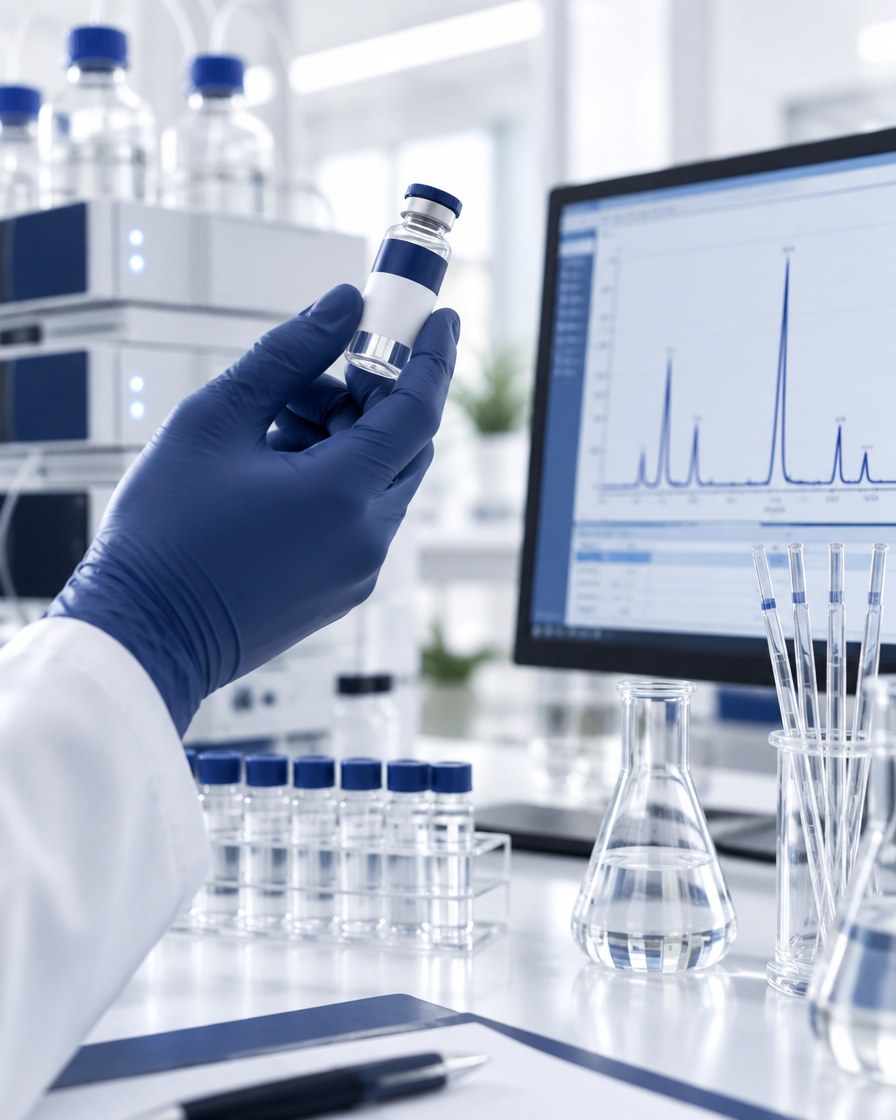
Products marked "COA on file" have a certificate of analysis for documented batches. Send us the lot number printed on your vial and we send the report for exactly that batch.
See lab-tested peptides